

Are you asking: can I replace my consumer unit myself? Find out why electricians recommend professional fitting for safety, legal compliance, and peace of mind.
Your consumer unit is one of the most important parts of your home's electrical system. Replacing it is possible in theory, but in practice it is a complex, safety-critical job that usually needs a qualified electrician.
What Is a Consumer Unit?
A consumer unit is the main electrical distribution point in your home. It is often still called a fuse box, although modern consumer units are more advanced than older fuse boards. Its job is to take the incoming electrical supply and divide it safely across the different circuits in the property, such as lighting, sockets, cooker circuits, showers, garages and outdoor power.
Inside a modern consumer unit, you will usually find circuit breakers, RCDs, RCBOs or surge protection devices. These are designed to protect people, wiring and appliances if a fault occurs. For example, a circuit breaker can trip when too much current flows through a circuit, while an RCD can disconnect the supply quickly if it detects electricity leaking to earth.
Because the consumer unit controls and protects the whole electrical installation, it is not just a basic household component. It is a key safety device that must be correctly selected, installed, tested and certified.
What Does Replacing a Consumer Unit Involve?
Replacing a consumer unit involves much more than simply removing the old box and fitting a new one. The electrician will usually start by checking the existing electrical installation, including the condition of the circuits, earthing, bonding and cables. This is important because fitting a modern unit onto unsafe or damaged wiring can reveal faults that need to be repaired first.
The old consumer unit must be safely isolated from the electrical supply before it is removed. Each circuit then needs to be identified, connected into the correct protective device and arranged neatly inside the new board. The electrician also has to make sure the consumer unit is suitable for the property, the number of circuits and the level of protection required.
Once installed, the work must be fully tested. This includes checks for polarity, continuity, insulation resistance, earth fault loop impedance and RCD operation. The job is only complete when the installation has been tested, recorded and certified properly.
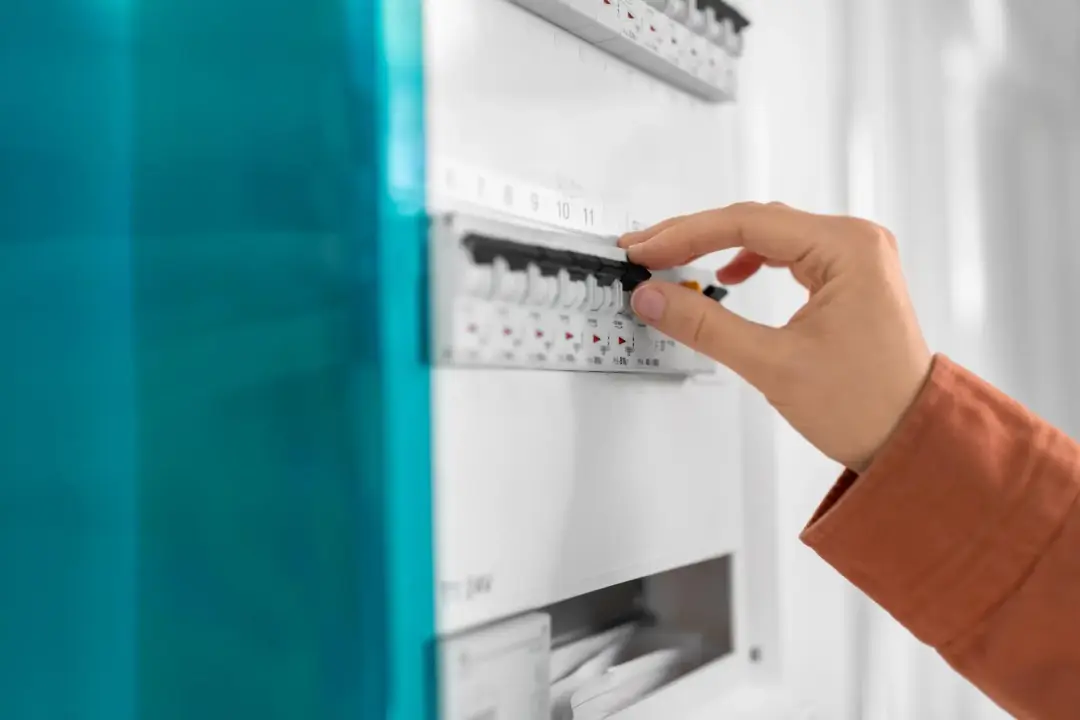
Can You Replace a Consumer Unit Yourself?
Technically, a homeowner may be able to carry out some electrical work themselves if they are competent, but replacing a consumer unit is not a sensible DIY job for most people. In England and Wales, consumer unit replacement is treated as notifiable work under Part P of the Building Regulations, which means it must either be carried out by a registered competent person or notified to Building Control before the work starts.
The main issue is not just whether you can physically fit the unit. You also need to prove that the work is safe, compliant and properly tested. That requires specialist knowledge, calibrated testing equipment and the ability to produce the correct electrical certification.
Without that, you could be left with an unsafe installation and no valid paperwork. This can cause problems with insurance, future property sales and local authority compliance. For most householders, the safest and most practical answer is no, you should not replace a consumer unit yourself.
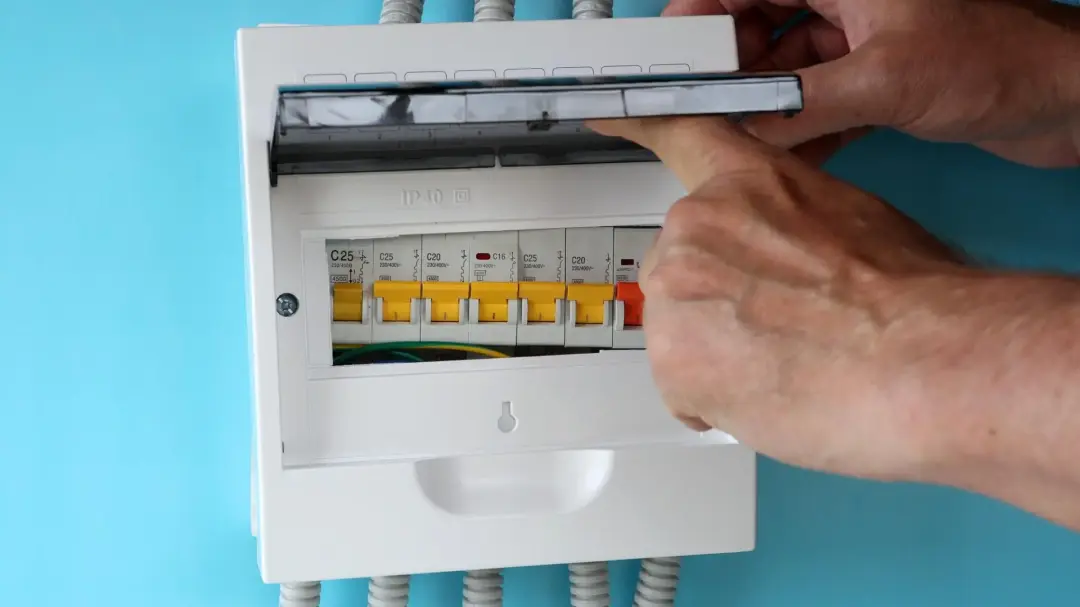
Why Consumer Unit Replacement Is Not a Simple DIY Job
A consumer unit replacement is not the same as changing a light fitting or swapping a socket faceplate. It affects the whole electrical installation and can expose hidden problems that were not obvious before the work began. Older circuits may have damaged insulation, shared neutrals, poor earthing, borrowed neutrals, overloaded cables or faults that only become clear once modern protective devices are installed.
A qualified electrician knows how to identify these issues and decide whether a circuit is safe to reconnect. A DIY installer may not spot the warning signs, which can lead to nuisance tripping, unsafe circuits or serious electrical hazards.
There is also the issue of correct design. The consumer unit must be matched to the installation, with the right protective devices, cable ratings, circuit arrangements and labelling. Installing the wrong breaker size, connecting a neutral incorrectly or failing to test an RCD can create a dangerous situation. This is why the job requires more than confidence with tools.
Legal Rules for Electrical Work
Electrical work in homes must be designed and installed safely. In England and Wales, Part P of the Building Regulations applies to domestic electrical work and is there to reduce the risk of fire, electric shock and unsafe installations. It covers work in dwellings, including many alterations and additions to existing electrical installations.
Consumer unit replacement is classed as notifiable work. This means the work must be notified to the local authority building control department unless it is completed by an electrician who is registered with a recognised competent person scheme and can self-certify the work. Using a registered electrician usually means the compliance process can be handled as part of the job, without the homeowner applying separately for building regulations approval.
Rules can vary slightly across England, Wales, Scotland and Northern Ireland, so it is important to check the requirements where you live. However, the basic point remains the same: consumer unit work must be safe, compliant and properly certified.
Why a Qualified Electrician Is Usually Needed
A qualified electrician is usually needed because consumer unit replacement requires both practical skill and formal testing knowledge. The electrician is not only fitting the new board; they are checking whether the existing installation is safe enough to connect to it. This includes checking earthing and bonding, confirming circuit condition and making sure the protective devices are suitable.
A registered electrician can also handle the compliance side of the job. Consumer unit replacement is notifiable work under Part P in England and Wales, so it should either be carried out by a qualified person registered with a competent person scheme or inspected and approved by Local Authority Building Control.
This matters because the paperwork is part of the job. A professional replacement should come with the appropriate electrical certificate and, where required, a Building Regulations Compliance Certificate. These documents show that the work has been tested and recorded correctly. Without them, you may struggle to prove the work was completed safely.
Safety Risks of Replacing a Consumer Unit Yourself
The biggest risk of replacing a consumer unit yourself is electric shock. Consumer units are connected to the main electrical supply, and incorrect isolation or accidental contact with live parts can be extremely dangerous. Even if the power appears to be off, there may still be live components unless the supply has been isolated correctly.
There is also a serious fire risk. Loose terminals, incorrect cable sizes, overloaded circuits or wrongly selected protective devices can cause overheating. A poor connection inside a consumer unit may not fail immediately, but it can become dangerous over time as heat builds up.
Another common risk is false confidence. A consumer unit may look neat from the outside, but that does not mean it is safe. The safety of the installation depends on the testing results, the condition of each circuit and whether faults have been identified correctly. Without proper test equipment and electrical training, it is easy to miss a dangerous issue. For this reason, DIY replacement can put both the property and its occupants at risk.
Building Regulations and Certification
Certification is a major part of consumer unit replacement. After the installation, the electrician should test the work and issue an Electrical Installation Certificate, often shortened to EIC. This certificate records the details of the installation, the circuits, the protective devices and the test results. It shows that the work has been inspected and tested against the required standards.
Where the work is notifiable, a Building Regulations Compliance Certificate may also be needed. This confirms that the work has been notified correctly under the relevant building regulations process. If the electrician is registered with a competent person scheme, they can usually self-certify and notify the work on your behalf.
These certificates are important documents. You may need them when selling your home, dealing with insurers or proving that electrical work has been completed properly. If building regulations are not followed, you may have to correct the work or deal with enforcement action. Keeping the paperwork safe is therefore part of protecting your property.
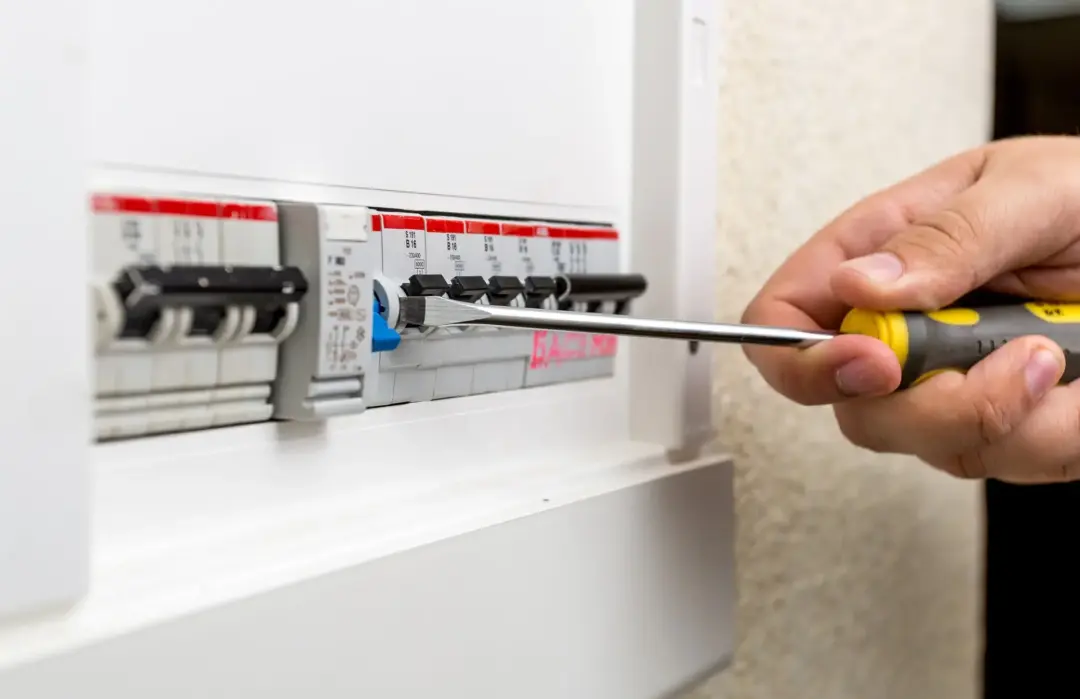
What Can Go Wrong During Installation?
Several things can go wrong during a consumer unit replacement. One common problem is discovering faults on existing circuits. A circuit that worked with an old fuse board may start tripping once it is protected by a modern RCD or RCBO. This does not mean the new unit is faulty; it often means the older wiring has an underlying issue that now needs attention.
Incorrect wiring inside the consumer unit can also cause problems. Neutrals must be connected to the correct terminals, circuits must be matched to the right protective devices and all connections must be tight. A small mistake can lead to tripping, overheating, failed tests or unsafe operation.
Another issue is inadequate earthing or bonding. If the property's main protective bonding to gas or water services is missing or undersized, the installation may need upgrading before the consumer unit can be safely replaced. This is one reason electricians test before and after the job. The work often involves solving hidden problems, not just swapping equipment.
How Long Does Consumer Unit Replacement Take?
A straightforward consumer unit replacement will often take around half a day to a full day, depending on the size and condition of the installation. A small property with a simple layout and no major faults may be completed relatively quickly. A larger home with several circuits, older wiring or additional issues can take longer.
The time needed is not only for fitting the new unit. The electrician must isolate the supply, remove the old unit, identify each circuit, connect the new board, test the installation and complete the certification. If faults are found during testing, extra time may be needed to trace and repair them.
In some cases, the electrician may recommend an inspection before the replacement so they can check whether the existing wiring is suitable. This can reduce surprises on the day. It is worth allowing some flexibility, as a safe and compliant replacement should not be rushed. Proper testing and fault finding are just as important as the physical installation.
How Much Does Consumer Unit Replacement Cost?
The cost of replacing a consumer unit can vary depending on the property, the number of circuits, the type of consumer unit, the protective devices required and whether any faults need repairing. A simple replacement in a smaller home will usually cost less than a larger installation with more circuits, RCBO protection, surge protection or extra remedial work.
The condition of the existing wiring can also affect the final price. If the electrician finds poor earthing, damaged cables, outdated bonding or faulty circuits, those issues may need to be corrected before the new unit can be signed off. This can increase the cost, but it is important for safety and compliance.
When comparing quotes, do not look at price alone. Check whether testing, certification, notification and materials are included. A very cheap quote may not include the full process needed for a compliant installation. A proper consumer unit replacement should leave you with a safer electrical system, clear circuit labelling and the correct paperwork.
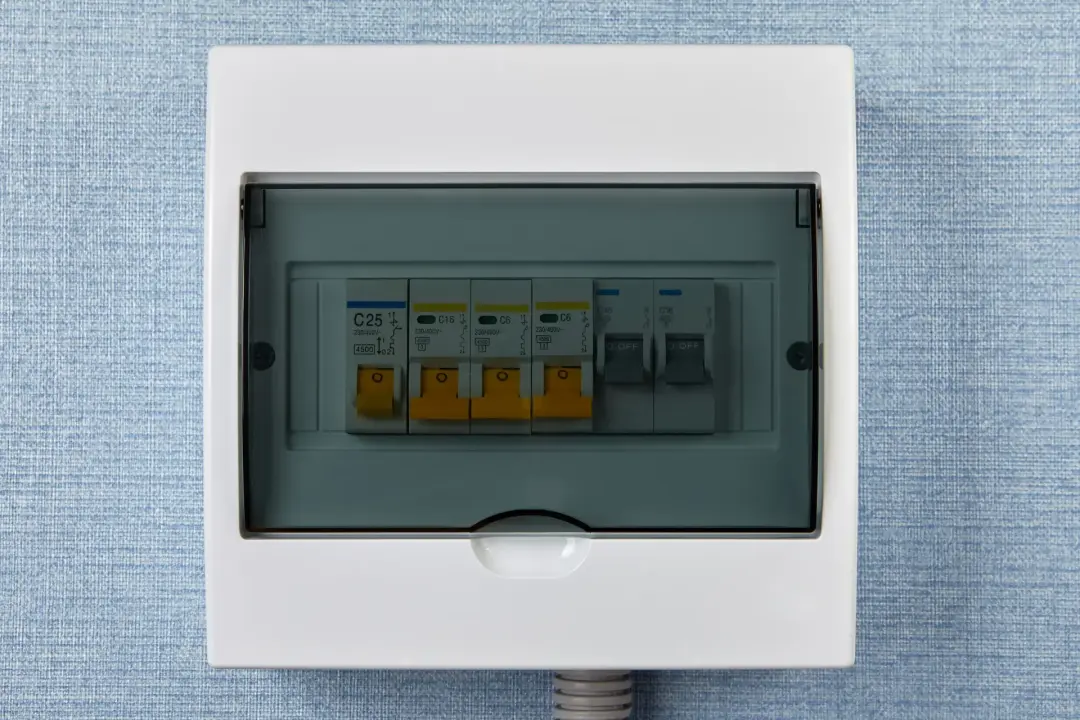
What to Expect From a Professional Replacement
A professional consumer unit replacement should begin with questions about your property, your existing electrical system and any problems you have noticed, such as tripping circuits, flickering lights or old wiring. The electrician may recommend initial testing or inspection before confirming the work, especially if the installation is older.
On the day, they should isolate the supply safely, remove the old unit and install the new consumer unit with suitable protective devices. Each circuit should be checked, connected, tested and labelled clearly. If faults are discovered, the electrician should explain what has been found and what needs to be done.
After the work, you should receive the correct certification. This will usually include an Electrical Installation Certificate, and where the work is notifiable, confirmation that the building regulations notification has been completed. A good electrician will also explain how the new unit works, what to do if a circuit trips and why keeping your certificates safe is important.
Highland Sparks Ltd provides consumer unit replacement in Inverness, Aviemore, Ross Shire and across the Highlands. Our qualified electricians replace old fuse boxes, fit modern protective devices, check earthing and bonding, test every circuit and provide the correct certification for a safe, compliant installation.