

Can you replace a fuse box without rewiring? Learn when existing wiring may be suitable, when rewiring is needed, and why fuse box testing and certification matter.
Replacing an old fuse box does not always mean a full rewire is needed. The condition of the existing wiring, earthing, bonding and circuits must be checked first so the new unit can be fitted safely and certified properly.
What Is a Fuse Box?
A fuse box is the main point where electricity is distributed around a home. It takes the incoming electrical supply and sends it to different circuits, such as lighting, sockets, cookers, showers, garages and outdoor power. Older fuse boxes often use rewireable fuses or cartridge fuses, while modern consumer units usually use circuit breakers, RCDs, RCBOs and surge protection devices.
Although many people still use the term fuse box, most replacements today involve fitting a modern consumer unit. This gives the property better protection against overloads, faults and electric shock. A modern unit is also easier to reset than an old fuse board, as a tripped switch can usually be restored once the fault has been checked and dealt with.
The fuse box or consumer unit is not just a convenient control panel. It is a safety device for the whole electrical installation. Because it protects every circuit in the property, it must be correctly selected, installed, labelled, tested and certified by someone who understands domestic electrical systems.
Can You Replace a Fuse Box Without Rewiring?
In many cases, a fuse box can be replaced without rewiring the whole property. If the existing cables are in good condition, the circuits test correctly and the earthing and bonding are suitable, an electrician may be able to install a new consumer unit using the current wiring. This is common in homes where the wiring is older but still safe and serviceable.
However, replacing the fuse box does not automatically prove that the wiring is safe. The new unit will usually have more sensitive protection, and this can reveal faults that were not obvious with the old board. Circuits that seemed to work before may trip once connected to modern RCD or RCBO protection.
The answer depends on inspection and test results, not guesswork. A qualified electrician will check the installation before deciding whether the old wiring can remain in use. If it passes the necessary checks, a full rewire may not be needed. If serious defects are found, repairs or rewiring may be required before the replacement can be signed off.
When Rewiring May Not Be Needed
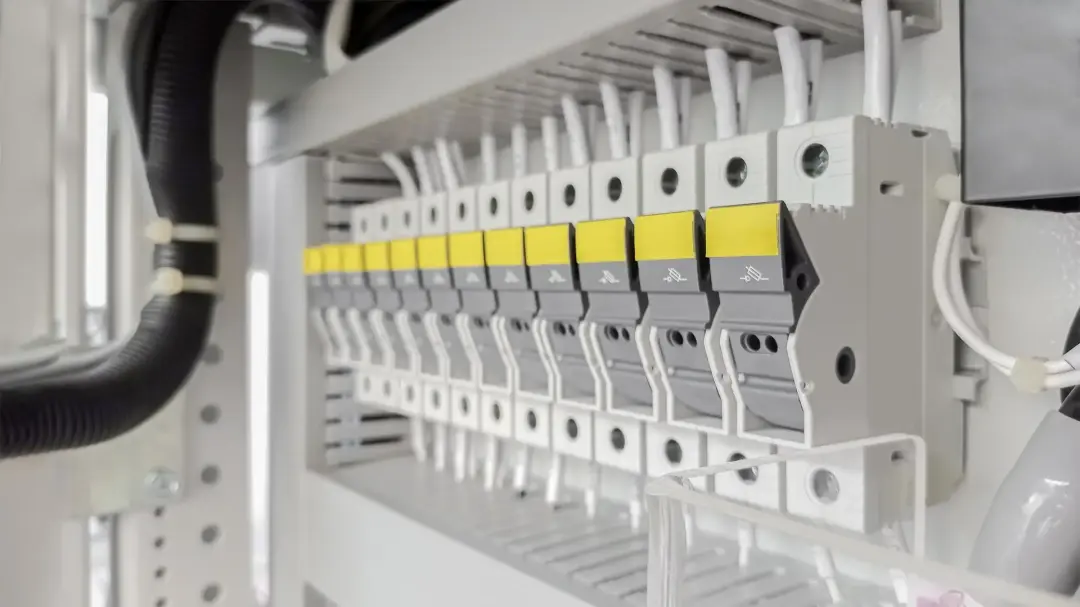
Rewiring may not be needed if the existing installation is in reasonable condition and the circuits pass the required electrical tests. Some homes have older fuse boxes but wiring that is still safe, correctly sized and suitable for continued use. In these cases, a new consumer unit can improve protection without replacing every cable in the property.
The electrician will look at the age, condition and type of wiring. PVC cabling in good condition is often more likely to be suitable than very old rubber, lead or fabric-insulated wiring. The circuits also need to be arranged correctly, with no serious faults, unsafe alterations or hidden issues that would prevent safe reconnection.
Earthing and bonding are also important. If the main earth, gas bonding and water bonding meet the required standard, the replacement is usually more straightforward. Where only minor issues are found, the electrician may be able to complete small remedial works rather than recommend a full rewire. The goal is to keep safe wiring in use while upgrading the protection at the consumer unit.
When Rewiring May Be Required
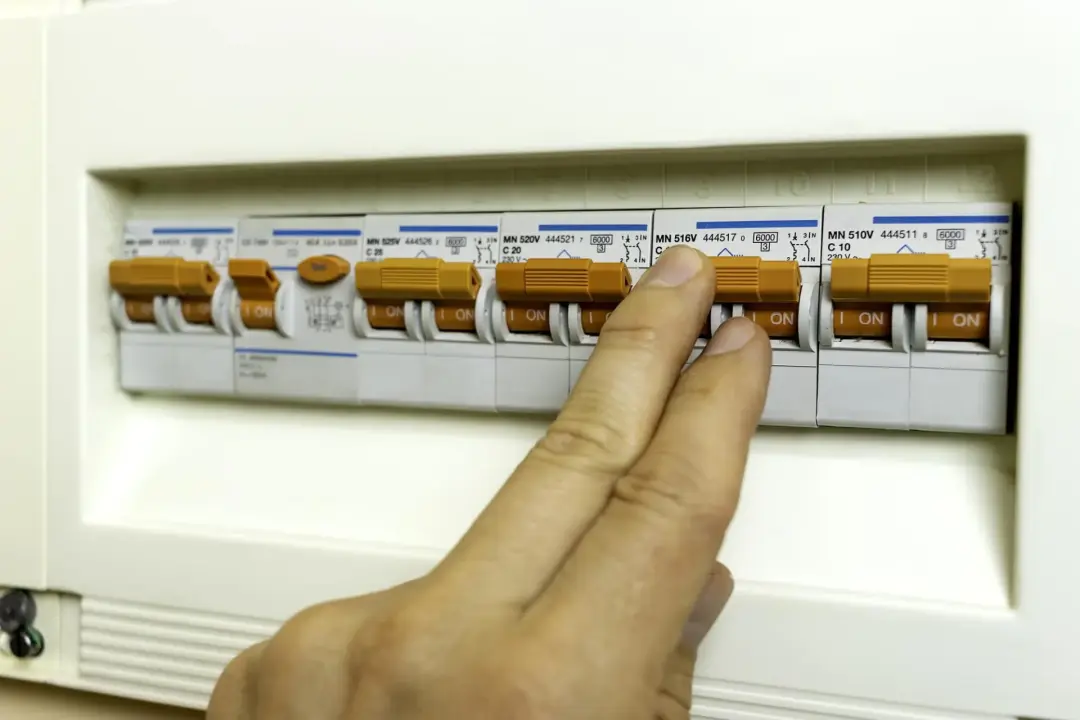
Rewiring may be required if the existing cables are unsafe, badly damaged or too old to support a modern consumer unit. Very old wiring can become brittle, cracked or poorly insulated over time. If this type of wiring is connected to new protective devices, it may fail testing or create repeated tripping problems.
A rewire may also be needed where circuits have been altered badly over the years. Common problems include overloaded sockets, unsafe junctions, borrowed neutrals, shared circuits, missing earth conductors and cables that are not properly protected. These issues can make the installation difficult or unsafe to certify without more substantial work.
The layout of the home can also influence the decision. If you are renovating, adding high-demand appliances or changing how rooms are used, the old circuits may no longer be suitable. In these cases, rewiring can be the better long-term option because it allows the electrical system to be designed around the property's current needs rather than working around old limitations.
Why the Existing Wiring Must Be Checked First
The existing wiring must be checked before a fuse box is replaced because the new consumer unit will only be as safe as the circuits connected to it. A modern unit can provide better protection, but it cannot correct damaged cables, poor connections, missing earths or unsafe DIY alterations hidden elsewhere in the property.
Checking the wiring first helps avoid problems during installation. If faults are discovered before the old board is removed, the electrician can explain the issue and recommend a sensible repair plan. This is much better than discovering serious faults halfway through the replacement, when the power is off and the new unit cannot be safely energised.
Pre-checks also help with accurate pricing. A fuse box replacement quote based only on a quick visual look may miss faults that affect the final cost. Proper inspection gives a clearer idea of whether the existing wiring is suitable, whether bonding needs upgrading and whether any circuits require attention before the new consumer unit can be tested and certified.
Electrical Testing Before Fuse Box Replacement
Electrical testing before fuse box replacement helps confirm whether the installation is safe enough for a new consumer unit. The electrician may test continuity, insulation resistance, polarity, earth fault loop impedance and RCD suitability. These tests show whether cables, earth paths and circuit arrangements are suitable for continued use.
Insulation resistance testing is especially useful because it can reveal damaged or ageing cable insulation. A circuit may appear to work normally, but testing can show that the insulation is breaking down. If this is ignored, the new consumer unit may trip repeatedly or leave an unsafe fault in place.
Testing also helps identify whether circuits have been labelled correctly. In older homes, circuit labels are often missing, vague or wrong. Before fitting a new board, each circuit needs to be identified so it can be connected to the correct protective device. Good testing gives the electrician a much clearer picture of what is already installed and what needs correcting before replacement work begins.
Common Wiring Problems Found During Replacement
Several wiring problems are commonly found during fuse box replacement. One of the most frequent is damaged or deteriorated insulation. Older cable insulation can crack, harden or break down, especially near light fittings, loft spaces, old junction boxes or areas affected by heat. This can cause failed tests or nuisance tripping when modern protection is installed.
Borrowed neutrals are another common issue, especially on older lighting circuits. This happens when circuits share neutral conductors incorrectly. It may not be obvious with an old fuse box, but it can cause problems when circuits are protected by separate RCDs or RCBOs. The result can be tripping, failed testing or an unsafe arrangement that needs correcting.
Other problems include loose connections, overloaded circuits, missing earth conductors, poor bonding, badly fitted accessories and unsafe DIY additions. Some of these issues can be repaired without a full rewire, while others may point to deeper problems. The electrician's testing and inspection will determine whether targeted repairs are enough or whether more extensive rewiring is needed.
Building Regulations and Certification
Fuse box replacement is not just a hardware swap. In England and Wales, replacing a consumer unit is notifiable electrical work under Part P of the Building Regulations. This means the work must be completed and certified correctly, either through a registered electrician who can self-certify or through the relevant building control process.
After the replacement, the electrician should issue an Electrical Installation Certificate. This records the details of the work, the circuits, the protective devices and the test results. It is an important document because it shows that the new consumer unit and connected circuits have been inspected and tested properly.
Where required, you should also receive confirmation that the work has been notified for building regulations purposes. This paperwork can matter when selling your home, dealing with insurance or proving that the work was carried out safely. Without certification, it can be difficult to show that the fuse box replacement was compliant, even if the installation appears to work normally.
Why a Qualified Electrician Is Needed
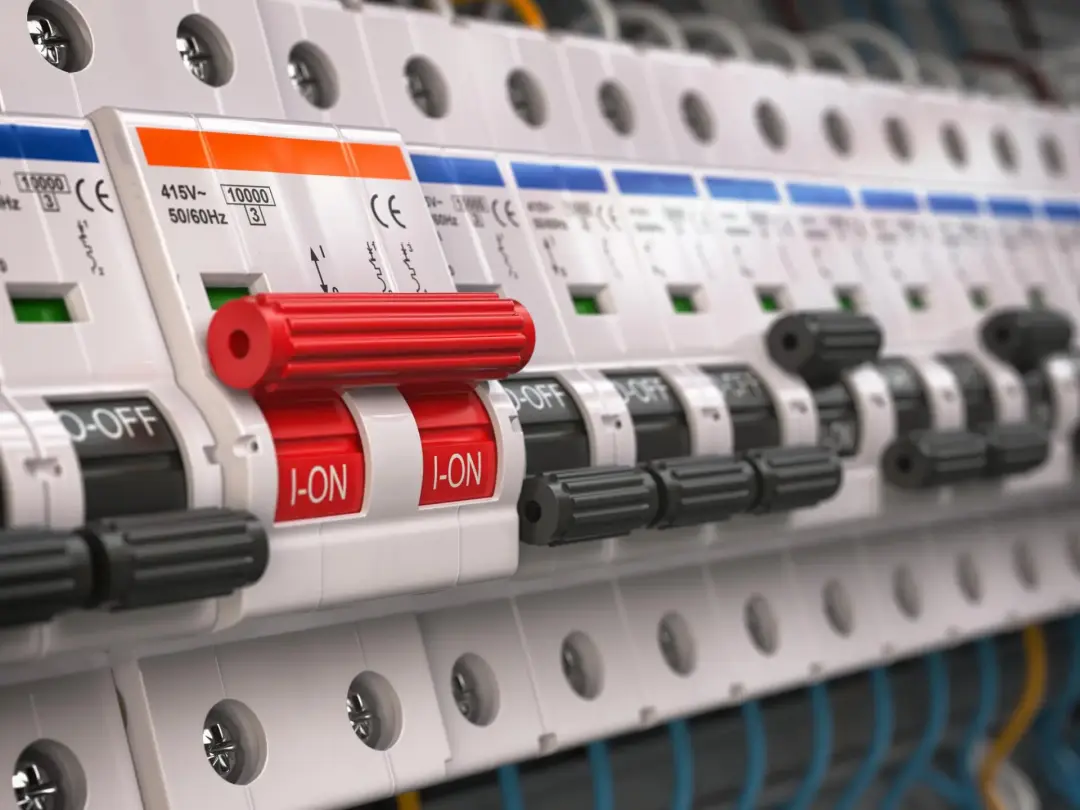
A qualified electrician is needed because fuse box replacement affects every circuit in the property. It involves isolation, circuit identification, correct protective device selection, safe connections, testing and certification. A neat-looking consumer unit is not enough; the installation must be proven safe through proper electrical testing.
An electrician can also decide whether the existing wiring can remain in use. This judgement is important because replacing the board without understanding the condition of the circuits can create serious problems. The electrician must know when a circuit can be safely reconnected, when it needs repair and when rewiring should be recommended.
There is also the legal and paperwork side. A registered electrician can usually handle the building regulations notification and provide the required certificates after the work is complete. This gives you a clear record of the replacement and helps avoid problems later. For homeowners, using a qualified electrician is the safest and most practical route.
How Long Does Fuse Box Replacement Take?
A straightforward fuse box replacement will often take around half a day to a full day. The exact time depends on the size of the property, the number of circuits, the condition of the wiring and whether any faults are found during testing. A small home with a simple installation may be completed more quickly than a larger property with several older circuits.
The work involves more than fitting the new unit. The electrician must isolate the supply safely, remove the old fuse box, identify and connect each circuit, test the installation, label the board and complete the certification. If earthing or bonding upgrades are needed, this can add extra time.
If faults are discovered, the job may take longer. Some issues can be fixed on the same day, but others may need further investigation or remedial work. It is worth allowing flexibility rather than rushing the replacement. A safe, tested and certified installation is more important than completing the work as quickly as possible.
How Much Does Fuse Box Replacement Cost?
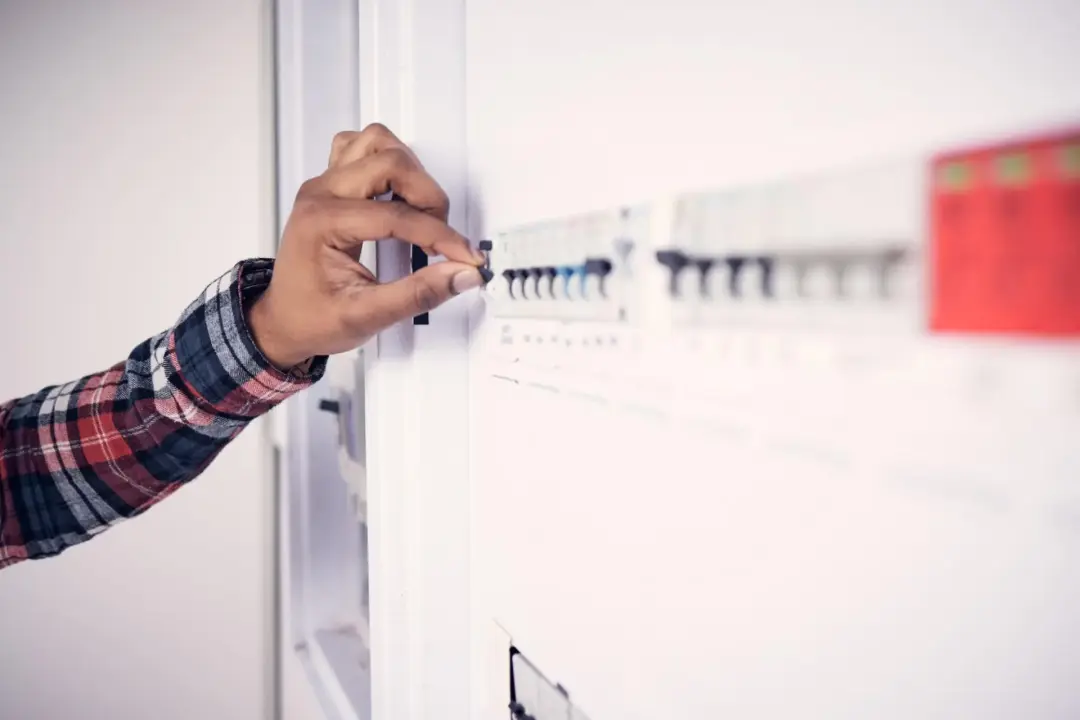
The cost of fuse box replacement depends on the property and the work required. Factors include the number of circuits, the type of consumer unit, whether RCBOs or surge protection are included, and whether earthing, bonding or circuit repairs are needed. A simple replacement will usually cost less than a more involved upgrade with remedial work.
The condition of the existing wiring is one of the biggest variables. If the wiring tests well, the job may be fairly straightforward. If faults are found, the electrician may need to repair circuits, upgrade bonding or recommend partial rewiring before the new unit can be certified. These extra works can affect the final price but are important for safety.
When comparing quotes, check what is included. A proper quote should account for materials, installation, testing, certification and notification where required. A very cheap price may not include the full process needed for a compliant replacement. The aim should be a safe, reliable installation with clear paperwork, not just the lowest upfront cost.
Highland Sparks Ltd provides fuse box and consumer unit replacement in Inverness, Aviemore, Ross Shire and across the Highlands. Our qualified electricians inspect existing wiring, replace old fuse boards, fit modern protective devices, test each circuit and provide the correct certification for a safe, compliant installation.