

When an inspection is strongly recommended
An electrical inspection is strongly recommended when you are buying a house and you cannot confirm the electrics are safe. It is wise for older properties, homes that have been rented out, or places with recent building work. If the seller cannot show up to date paperwork, a check helps you understand what you are taking on.
An inspection can find worn cables, loose connections, and overloaded circuits. It can also flag a fuse box that needs updating. Because repairs can be expensive, this check helps you budget and avoid surprise costs after moving in. It may also support your home insurance, and it gives peace of mind before exchange. It is a small step that can prevent risks later.
Red flags to look for during viewings
During a viewing, you can spot warning signs that suggest the electrics need attention. Start with the fuse box. If it looks very old, has no clear labels, or shows marks from heat, it may not meet modern safety rules. Look at sockets and switches. Loose plates, cracks, buzzing sounds, or scorch marks are all concerns. Test lights where you can. Flickering lights or switches that feel warm can point to loose wiring. Notice smells too. A sharp burning smell near a socket or cupboard should never be ignored
Check how the home is being powered day to day. Lots of extension leads and multi plugs can mean there are not enough sockets, which can lead to overloading. Ask simple questions: Have any fuses tripped often? Have any rooms lost power? Has any electrical work been done recently, and is there paperwork for it?
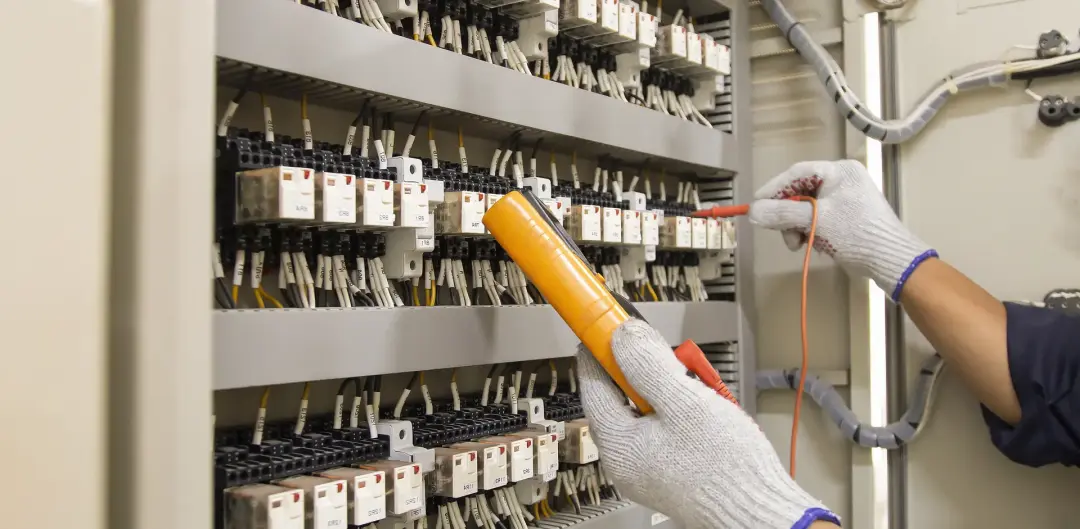
Look for signs of quick DIY fixes, such as cables clipped along skirting boards, wires running under carpets, or mismatched socket styles in one room. Also check outside areas. Poorly fitted outdoor lights or sockets can let water in and create danger. If you see these issues, book a proper inspection before you commit.
Even if the home looks tidy, problems can sit behind walls, floors, and ceilings, so it is better to find out early. If the house has a garage, shed, or loft wiring, ask to see it. Exposed cables, taped joins, and hanging lights are risky. A survey can confirm what is safe.
Older homes and hidden wiring issues
Older homes can hide electrical problems because the wiring may have been changed in bits over many years. One room might have newer cables, while another still has older ones that are worn or poorly joined. Cable coverings can crack with age, and past repairs may not have been done safely.
Older systems were not designed for today’s heavier use, such as tumble dryers, dishwashers, and multiple chargers. Problems can be tucked away under floors, behind plaster, or in the loft, so you may not see them at a viewing. An inspection helps find risks early, so you can plan repairs and move in safely. It can show whether safety parts, like safety connections and the fuse box, are suitable.
New builds: do you still need checks?
New builds usually have brand new wiring and should meet current safety rules, but checks can still be helpful. Work on large sites is often done to tight deadlines, and small faults can be missed. A socket might be wired the wrong way, a light fitting could be loose, or an outdoor cable might not be sealed well. These issues may not show up straight away, but they can cause trouble later.
Before you buy, ask the seller or builder for the electrical paperwork. This should include certificates showing the installation was tested and signed off. Keep copies, as they may be needed for insurance and future work.
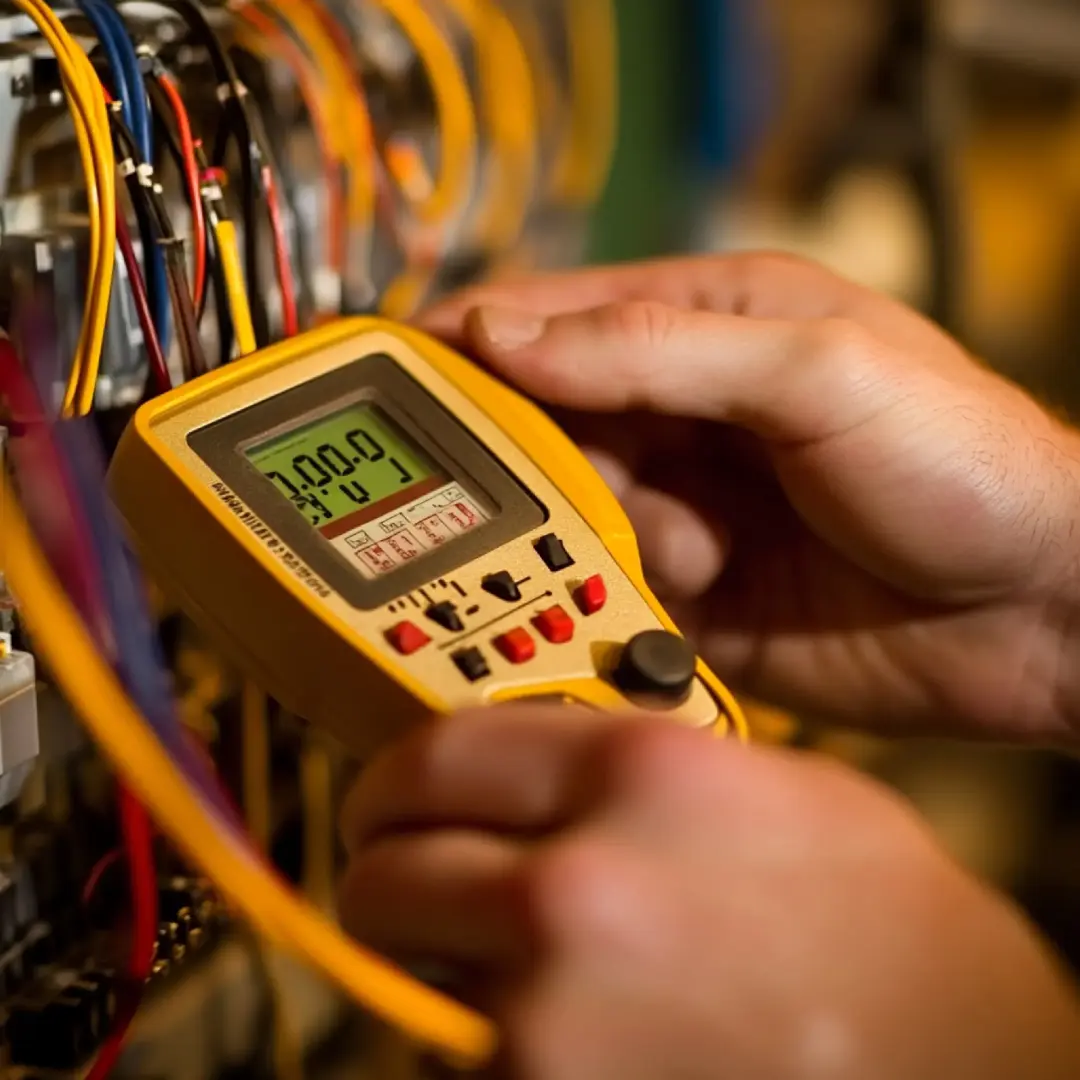
If papers are missing, unclear, or do not match the address, it is sensible to arrange an inspection. Even with paperwork, you may want extra reassurance if the home has added extras such as garden lighting, a garage supply, or a car charger point. Many buyers also plan changes soon after moving in, like fitting new lights, adding sockets, or upgrading the kitchen. A check can confirm the system has spare capacity for this safely.
If you move in first, you can still book a check during the first weeks, before you start making changes. The goal is not to find fault with a new home, but to protect your family and your investment. If the property has shared areas, ask how they are powered and maintained. Poorly marked fuse boxes, locked cupboards, or very unsure answers can be a warning sign.
What an EICR is and why it matters
An EICR is an Electrical Installation Condition Report. It is a detailed check of the fixed electrics in a property, such as wiring, sockets, switches, and the fuse box. The electrician tests key parts and looks for damage, wear, poor repairs, and signs of overheating. The report lists any issues and explains how serious they are, so you know what needs urgent work and what can be planned later.
For buyers, an EICR matters because it turns worries into clear facts. It can help you budget, negotiate with the seller, and avoid moving into a home with hidden safety risks. It is especially useful if you want to rent the home out, or if you plan changes soon after moving.
Our fully accredited team delivers comprehensive electrical inspections, testing and certification for homes, landlords and commercial premises. From detailed EICRs, landlord safety certificates and home-buyer surveys to periodic testing, visual safety checks and fault diagnosis, we ensure every installation meets BS 7671 and UK legislation. Call today for electrical inspections in Inverness, Aviemore and Ross Shire.