

We explore the Importance of Electrical Inspections when Buying a House. Find out why a professional inspection matters, helping you spot safety issues, avoid costly repairs and make a more informed decision before you buy.
Warning signs to look for during viewings
When you're viewing a house, it's easy to focus on the kitchen, the garden, and the size of the rooms. However, electrical issues can be hidden away and expensive to fix, so it helps to keep an eye out for any warning signs. Spotting these signs early on can help you decide whether to arrange an electrical inspection before you commit to buying.
One warning sign is an old or untidy consumer unit. If it looks dated, has spare holes, or is poorly labelled, it may not meet modern safety expectations. Also, keep an eye out for rewirable fuses, heat marks, or a buzzing sound. Another warning sign is damaged sockets or switches.
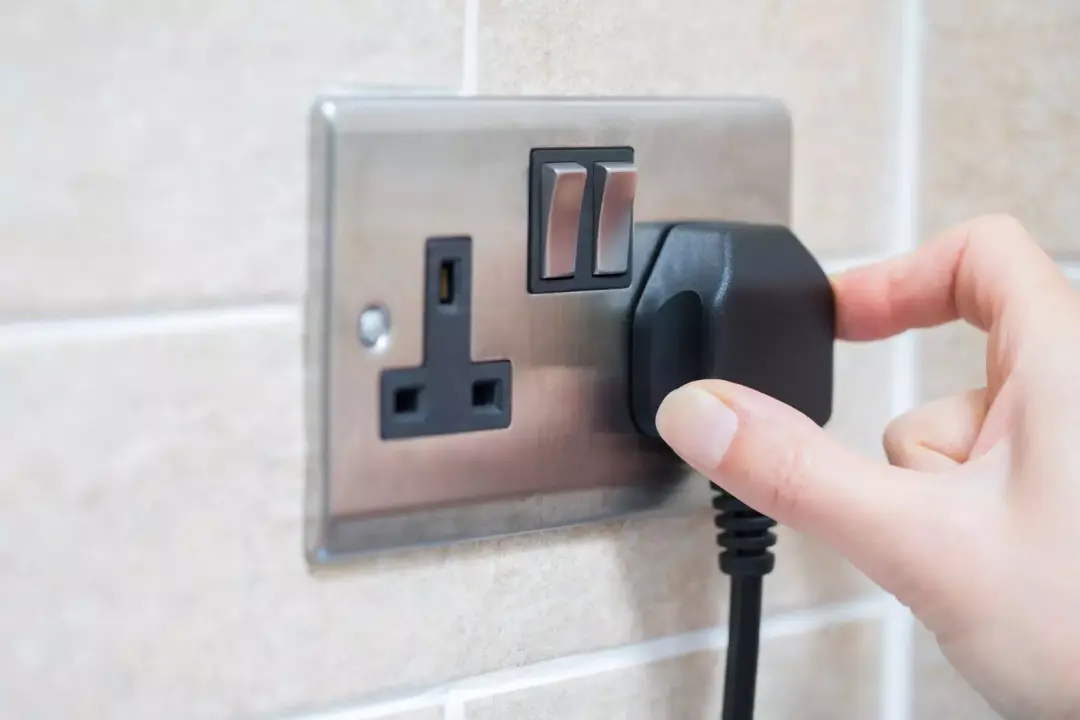
Cracks, loose faceplates, scorch marks, or discoloured plastic can suggest there are issues with overheating or loose connections, and if you notice a burning smell, it means there's an issue with the electrics.
You should also pay attention to the amount of plug sockets there are, and their position. If there aren't enough sockets in the main rooms, it can lead to heavy usage of extension leads, which can overload the circuits. You should also watch out for messy DIY work, such as surface cables that have been pinned along skirting boards, odd joins, or different styles of sockets in one room, since they can suggest that parts of the electrical system have been altered without any proper checks.
Older homes: extra risks to consider
Buying a home is a big step, and it's important to know that the electrics are safe. An electrical inspection test can help you spot hidden problems that aren't obvious during viewings. An electrical inspection checks the fixed wiring, sockets, switches, light fittings, and the consumer unit in a home.
A qualified electrician will look for signs of damage, wear, and overheating. They'll also test key safety parts, such as the earthing and protective devices, to make sure the system can shut off the power quickly if something goes wrong.
Older homes often have extra risks to consider during this test since the wiring won't last forever. In some older properties, cables may have ageing insulation that can become brittle and crack over time.
You may also find old-style consumer units with rewirable fuses, which don't provide the same level of protection that a modern breaker would. If these modern safety features are missing or not working properly, the risk of electric shocks and fires can be higher.
Another concern in older homes is the changes that have been made over time. Extra sockets, new lights, and kitchen or bathroom updates may have been added at different times by different people, so if any work was done badly or without proper testing, there could be hidden damage behind the walls or under the floor.
Older homes may also have fewer circuits than modern homes, so a busy household can become overloaded by wiring that wasn't designed for today’s appliances.
How electrical problems can affect the price
Electrical problems can affect the price of a home because they can be expensive to fix. When buyers think a property needs major electrical work done, they often expect to pay a lower price to cover the repair charges. Even if the home looks tidy, hidden issues in the wiring or consumer unit can make buyers cautious, and this can slow down the sale or lead to bigger price negotiations.
One way electrical issues affect a home's value is through the repair costs. A new consumer unit, extra safety protection, or a partial rewire service can be expensive, and the repair work may also involve lifting up the floorboards, chasing walls or redecorating afterwards. If a buyer thinks this work is needed, they may offer less to reflect the potential disruption, or they may walk away, especially if they're on a tight budget or need to move quickly.
Electrical problems can also affect your safety and insurance. Frequent tripping, buzzing sounds, scorch marks, or damp near the electrics are massive safety risks, and if a buyer feels that the home is unsafe, they may not want to take on the responsibility for it. Some lenders and insurers may also ask for evidence that the electrics are in good condition, particularly for older properties - so if there's no recent test report, a buyer may assume the worst and reduce their offer.
An electrical inspection test can give you clear facts instead of guesses. A qualified electrician can check the wiring, sockets, switches, and consumer unit, and then produce a report showing what's safe and what needs fixing. This report can be helpful for both buyers and sellers. For buyers, it supports their decision-making skills and helps them budget properly; for sellers, it can reduce any uncertainty and make the home easier to market.
Common faults found in house purchases
Many electrical issues can be hidden behind walls and under floors, so you may not notice them during a viewing. An electrical inspection test can uncover these problems and help you avoid safety risks.
One common fault is an outdated consumer unit. Older units may have rewirable fuses, poor labelling, or they may be missing modern safety protection, such as residual current device protection.
Inspectors often flag these issues because the unit may not cut off the power quickly enough during certain faults. Another frequent issue is poor earthing and bonding. If the earthing system is weak or missing, any metal parts in the home, including some appliance casings and pipework, can become unsafe during an electrical fault.
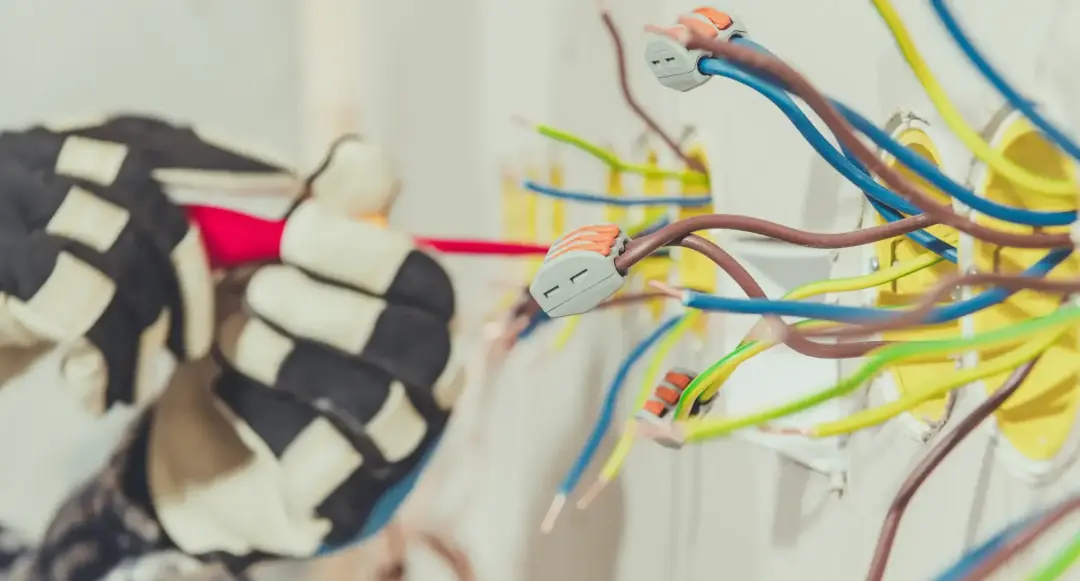
Worn-out or damaged wiring is also a common issue, especially in older properties. A cable's insulation can become brittle over time, which raises the risk of short circuits and overheating.
Homes may also have wiring that has been added in stages alongside mixed cable types or messy joins. Loose connections inside the sockets, switches, and light fittings can also create excess heat that leads to buzzing, flickering lights, or scorch marks.
An electrical inspection test is done to check the condition of the fixed wiring, test the safety features, and identify any faults using clear codes. This test can show what needs to be repaired, what should be improved, and what is safe.
Highland Sparks Ltd provides electrical inspection tests for homes across Inverness, Aviemore, Ross Shire and the Highlands. We can check your wiring, sockets, switches, and the consumer unit to spot safety risks. We also provide clear reports on our findings alongside notes on what to do next. We aim to keep your home safe and compliant with UK safety standards.