

We explore signs your consumer unit needs replacing, from old fuse boxes and frequent tripping to burning smells, scorch marks, buzzing sounds and missing RCD protection.
A consumer unit rarely fails without warning. If your fuse box is old, damaged, overheating or struggling with demand, there may be clear signs that it is time to arrange a professional inspection and possible replacement.
Why Your Consumer Unit Matters
Your consumer unit is the main control point for the electrical circuits in your home. It takes the incoming electrical supply and distributes it to lighting, sockets, appliances, outdoor circuits, garages and other parts of the property. More importantly, it contains the protective devices that should disconnect a circuit quickly if a fault occurs.
A modern consumer unit can include circuit breakers, RCDs, RCBOs and surge protection devices. These are designed to reduce the risk of electric shock, fire, overloaded wiring and damage to electrical equipment. When the unit is suitable for the property and correctly tested, it helps the whole installation work more safely and reliably.
If the consumer unit is outdated, damaged or missing important protection, the risk can increase. Problems may not always be obvious day to day, but they can become serious during a fault. This is why warning signs should be taken seriously and checked by a qualified electrician.
Common Signs Your Consumer Unit Needs Replacing
There are several warning signs that can suggest a consumer unit is no longer safe, suitable or up to modern expectations. Some signs are visible, such as scorch marks, damaged casing, missing blanks, cracked switches or an old fuse board with rewireable fuses. Others show up through how the electrical system behaves, such as frequent tripping, flickering lights or circuits cutting out.
You should also pay attention to smells, sounds and heat around the unit. A burning smell, buzzing noise, crackling sound or warm cover can point to loose connections, overheating or internal faults. These issues should never be ignored, especially if they appear suddenly or become more noticeable over time.
Sometimes the sign is not a fault, but a change in use. If you are adding high-demand appliances, new circuits, EV charging, garden power or an extension, an older unit may not have enough capacity or protection. A professional inspection can confirm whether replacement is needed.
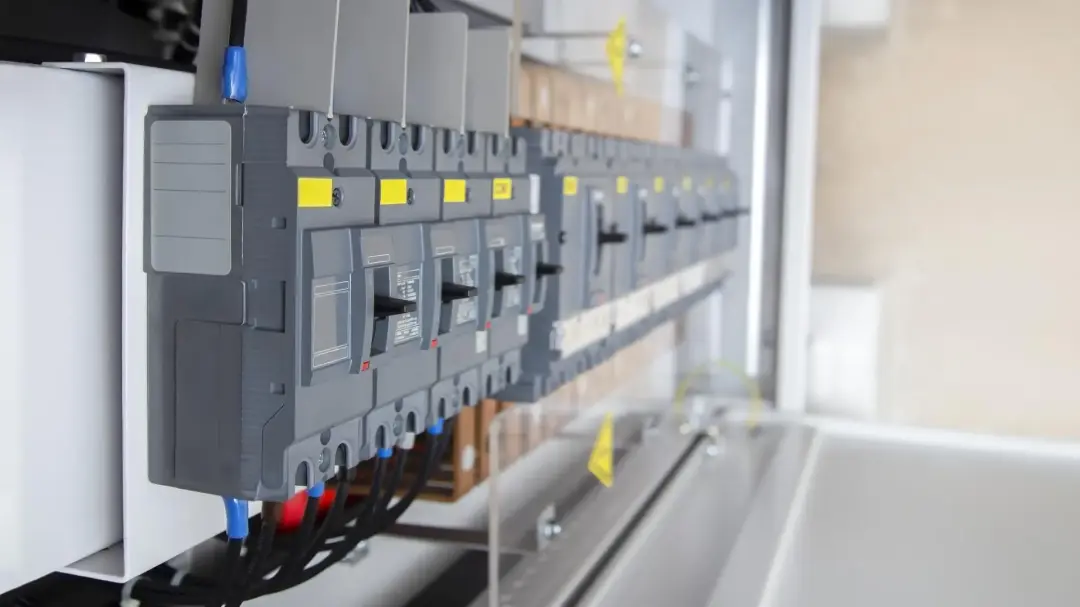
Your Consumer Unit Still Uses Rewireable Fuses
If your consumer unit still uses rewireable fuses, it is a strong sign that the installation is older and may benefit from replacement. Rewireable fuses can provide basic protection against overloads and short circuits, but they do not offer the same convenience or level of protection as modern circuit breakers, RCDs or RCBOs.
With a rewireable fuse, the fuse wire melts when too much current flows. The fuse then has to be repaired manually with the correct fuse wire before the circuit can be used again. If the wrong wire is fitted, or if the cause of the fault is not found, the circuit may be left unsafe.
An old fuse board may also lack clear labelling, spare capacity and modern protective devices. Upgrading to a modern consumer unit gives the electrician the opportunity to test the circuits, improve protection and make the installation easier to manage during everyday use.
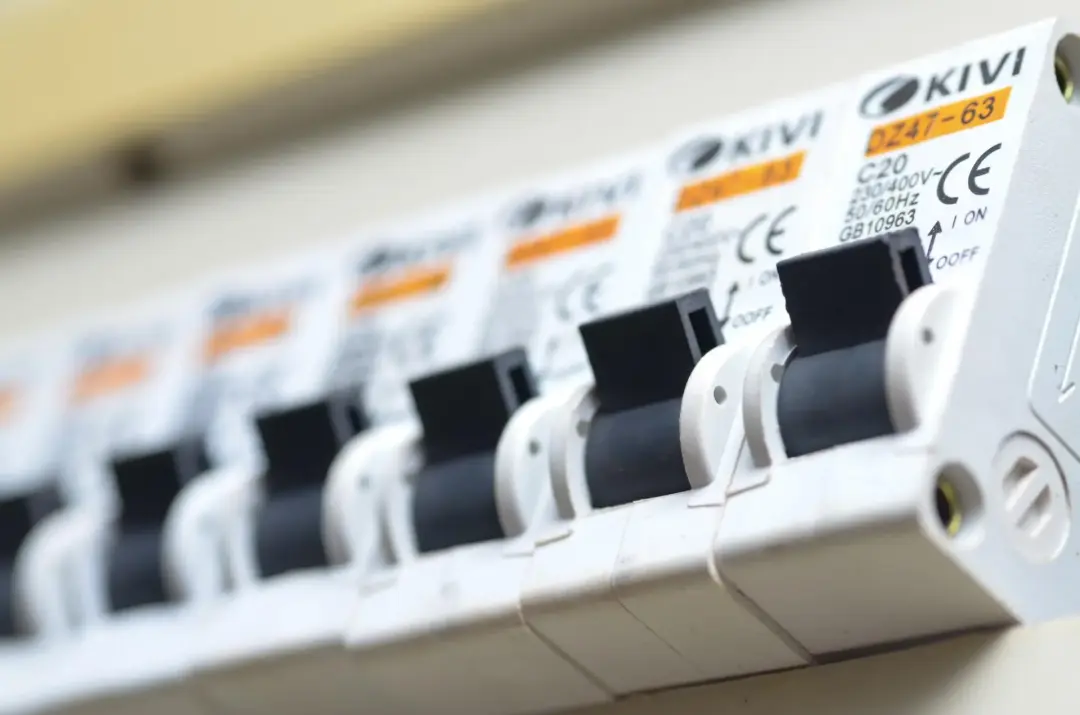
Circuit Breakers Trip Often
Occasional tripping can happen when a faulty appliance is plugged in or a circuit is temporarily overloaded. However, if circuit breakers trip often, the consumer unit and the circuits connected to it should be checked. Repeated tripping is a warning that something is not working as it should.
The cause may be an overloaded circuit, damaged cable, water ingress, faulty appliance, loose connection or a problem with the protective device itself. In older installations, faults can become more noticeable when modern protection is added, because RCDs and RCBOs are designed to respond quickly to leakage currents and other unsafe conditions.
Do not keep resetting a breaker without finding the cause. If the same circuit trips repeatedly, leave it off where practical and call an electrician. The solution may be a repair, but frequent tripping can also show that the existing unit is outdated, overloaded or unsuitable for current use and future electrical demand.
There Are Signs of Burning or Scorching
Burning or scorching around a consumer unit is a serious warning sign. Marks on the cover, discoloured plastic, brown staining, melted areas or black marks near switches can all point to overheating inside the unit. This may be caused by loose terminals, overloaded circuits, damaged protective devices or poor connections.
Heat damage should not be treated as cosmetic. A connection that has overheated once may continue to deteriorate, especially if the underlying cause is still present. In some cases, overheating can lead to arcing, damaged insulation or fire risk.
If you notice scorch marks, do not remove the cover or try to tighten anything yourself. Consumer units contain live parts and should only be opened by a competent electrician. Arrange an inspection as soon as possible. Depending on the condition of the unit, the electrician may recommend urgent repair, isolation of a circuit or full replacement before the fault becomes more dangerous.
You Notice a Burning Smell
A burning smell near a consumer unit should always be treated as urgent. Electrical overheating can produce a hot plastic, fishy or burnt smell before visible damage appears. The smell may come and go as the circuit is used, or it may become stronger when high-demand appliances are running.
Possible causes include loose terminals, overheated cables, failing breakers, damaged insulation or overloaded circuits. Because the consumer unit controls the electrical supply to the whole property, a fault inside it can affect more than one area of the home.
If you smell burning, do not ignore it and do not try to investigate inside the unit yourself. If it is safe to do so, switch off the affected circuit or main switch and contact a qualified electrician immediately. If there are flames, smoke or an immediate danger, leave the property and call the emergency services. A replacement may be needed if heat damage has affected the board.
The Unit Feels Hot to the Touch
A consumer unit may feel slightly warm in some circumstances, especially when circuits are under load, but it should not feel hot. Noticeable heat on the cover, around switches or near cables can suggest that something inside is overheating. This is particularly concerning if the heat is localised to one breaker or one part of the board.
Overheating can be caused by loose connections, poor installation, undersized cables, overloaded circuits or ageing components. It can also happen when an old unit is being asked to support modern electrical demand that it was not designed for.
If the unit feels hot, avoid touching it repeatedly and do not remove the cover. Make a note of when the heat appears, such as when the cooker, shower, heating or other heavy loads are in use. Then arrange an electrical inspection. The electrician can test the circuits and decide whether repair or replacement is the safest option.
Your Consumer Unit Makes Buzzing or Crackling Sounds
Consumer units are normally quiet. A faint click when a switch operates is expected, but buzzing, humming or crackling sounds should be investigated. These noises can be caused by loose connections, failing breakers, arcing, overloaded circuits or damaged components inside the unit.
Crackling is especially concerning because it may suggest electricity is jumping across a poor connection. This can create heat, damage insulation and increase the risk of fire. Buzzing can also indicate that a protective device is under strain or that a connection is vibrating because it is not secure.
Do not open the consumer unit to look for the source of the noise. The cover protects you from live parts and should only be removed by a qualified person. If the noise is new, loud or accompanied by heat, burning smells or tripping, arrange urgent help. A noisy unit may need repair, but replacement is often recommended when the board is old or damaged.
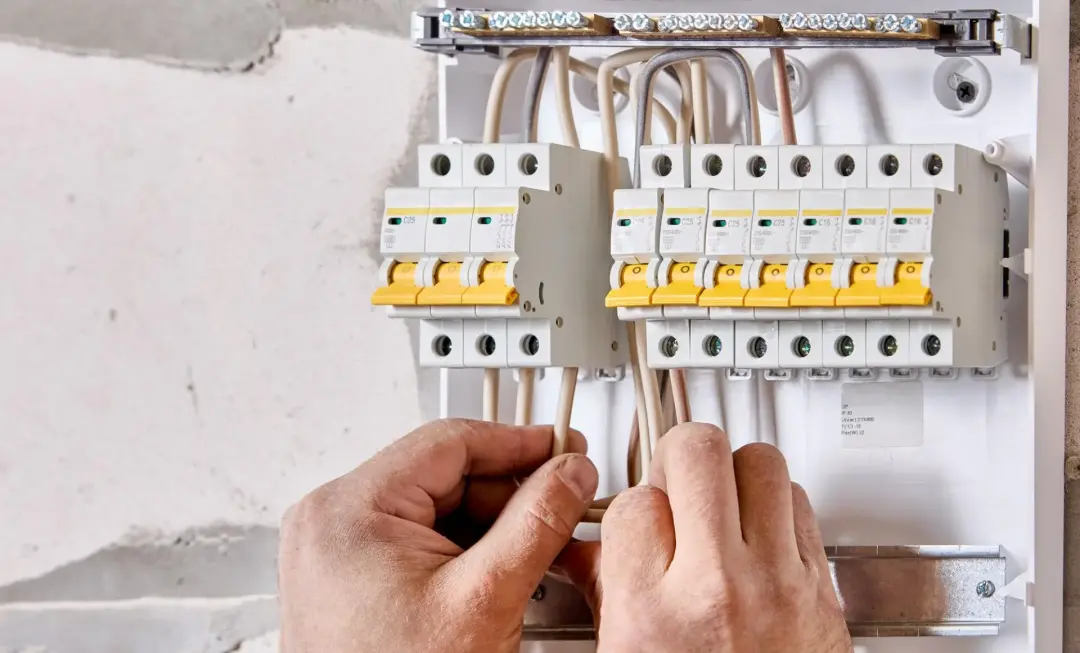
You Do Not Have RCD Protection
RCD protection is one of the most important safety improvements found in modern consumer units. An RCD, or residual current device, is designed to disconnect the electrical supply quickly if it detects current flowing where it should not, such as through a person or through a fault to earth.
Older fuse boxes may have no RCD protection at all. Some installations may only have limited protection on certain circuits. This can leave sockets, outdoor supplies, bathrooms or other areas without the level of protection normally expected in a modern home.
You may be able to identify an RCD by looking for a switch with a test button marked "T" or "Test". However, checking the board visually is not a substitute for professional inspection. An electrician can confirm what protection is present, whether it operates correctly and whether the existing unit can be upgraded. If RCD protection is missing or inadequate, replacement with a modern consumer unit is often the best solution.
Your Home Has an Old Fuse Box
An old fuse box does not automatically mean the whole installation is unsafe, but it is a clear reason to arrange an electrical inspection. Many older boards were installed before modern electrical demand, current protective devices and today's safety expectations. They may have limited capacity, poor labelling, missing covers or no RCD protection.
Older homes often have additional risks behind the scenes. Circuits may have been altered over many years, accessories may have been added without proper testing, and cables may not be suitable for the loads now placed on them. A fuse box replacement gives the electrician a chance to identify these issues and improve the safety of the installation.
If your board looks very old, uses ceramic fuses, wooden backing, rewireable fuse carriers or exposed-looking parts, do not wait for a fault before seeking advice. A planned replacement is usually safer and less disruptive than dealing with a failure or emergency.
Your Lights Flicker or Power Cuts Out
Flickering lights or brief power cuts can have several causes, so they do not always mean the consumer unit needs replacing. The problem could be a loose lamp, faulty fitting, appliance fault, supply issue or damaged wiring. However, when flickering happens regularly or affects several rooms, it should be checked.
If lights dim when appliances start, circuits cut out without a clear reason, or power returns after a breaker is reset, the consumer unit may be part of the problem. Loose connections inside the board, ageing protective devices or overloaded circuits can all cause unstable operation.
Keep a note of when the problem happens and which circuits are affected. This helps the electrician trace the fault more quickly. Do not assume flickering is harmless, especially if it is linked with buzzing, heat, burning smells or tripping. An inspection will show whether the issue needs a circuit repair, supply investigation or consumer unit replacement.
You Are Adding New Appliances or Circuits
Your consumer unit must be suitable for the electrical demand placed on it. If you are adding new appliances or circuits, the existing board may need upgrading or replacing. This is common when installing electric showers, ovens, outbuildings, garden power, heating systems, workshop supplies, extensions or other high-demand equipment.
Older consumer units may have no spare ways, limited RCD protection or protective devices that are not suitable for the proposed work. Simply squeezing in another circuit is not good practice. The electrician needs to consider cable sizes, circuit loading, earthing, bonding, fault protection and the overall condition of the installation.
A consumer unit replacement can provide extra capacity and better protection for the new circuits. It also gives the electrician the opportunity to test existing circuits before connecting new equipment. If you are planning electrical improvements, ask whether the board is suitable before the work begins. This avoids delays and unexpected costs later.
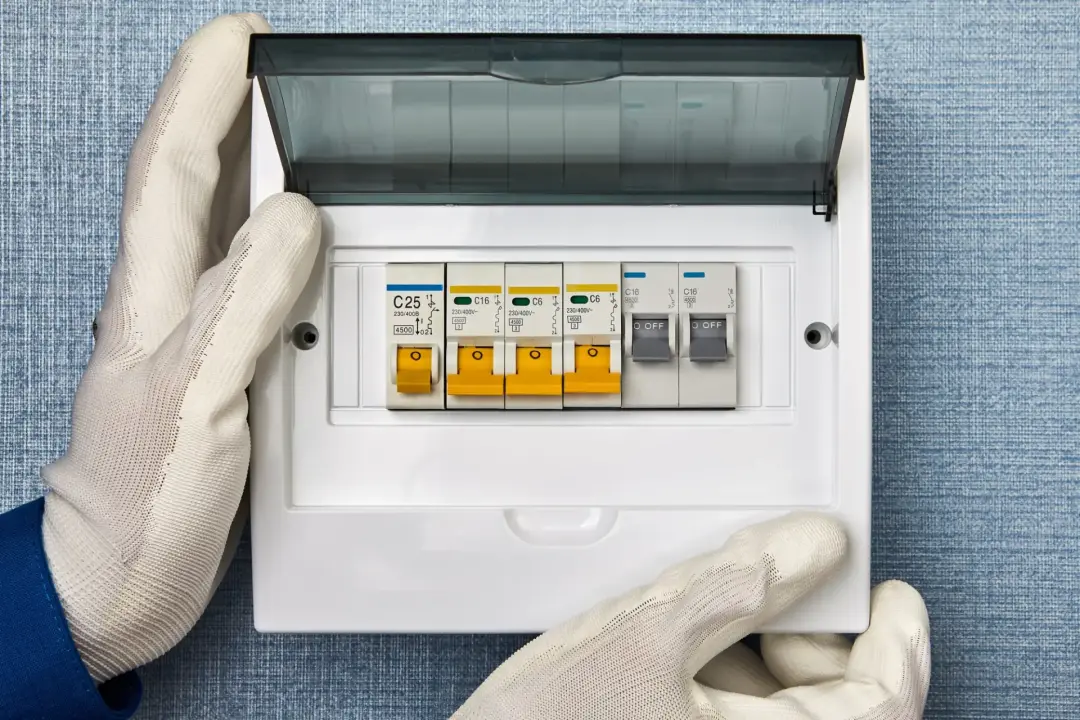
Your Consumer Unit Fails an Electrical Safety Check
An electrical safety check can reveal problems that are not visible from the outside. During an inspection, the electrician may test circuit condition, earthing, bonding, polarity, insulation resistance, RCD operation and other safety requirements. If the consumer unit does not meet an acceptable standard, replacement may be recommended.
A failed check does not always mean the board itself is the only issue. The electrician may find damaged wiring, missing bonding, borrowed neutrals, overloaded circuits, unsuitable breakers or poor previous workmanship. Some faults can be repaired, but others are easier and safer to resolve as part of a full consumer unit replacement.
If you receive an inspection report with observations about the consumer unit, ask the electrician to explain the risk level and options. The most urgent issues should be dealt with first. A modern replacement should include suitable protective devices, clear labelling, full testing and the correct certification after completion.
Why You Should Not Ignore Warning Signs
Consumer unit warning signs should not be ignored because they often point to problems that can get worse over time. A loose connection, overloaded circuit or failing protective device may still allow the power to work, but that does not mean the installation is safe. Heat, arcing and damaged insulation can build up gradually before a serious fault appears.
Ignoring the signs can also make the eventual repair more disruptive and expensive. A circuit that trips occasionally may later fail completely. Scorching that starts in one area of the board can spread to nearby components. An old unit with no RCD protection may leave people exposed to risks that a modern board would reduce.
There are also practical issues. Unsafe or uncertified electrical work can cause problems with insurance, landlord responsibilities, property sales and future alterations. If you suspect your consumer unit is unsafe, arrange an inspection rather than waiting for it to fail. Early advice helps you plan the right repair or replacement.
Who Can Replace a Consumer Unit?
A consumer unit should be replaced by a qualified electrician with the correct knowledge, tools and test equipment. The work affects the whole electrical installation, so the electrician must be able to isolate the supply safely, assess the existing circuits, install the new board, test every circuit and issue the correct certification.
In Scotland, domestic electrical work must meet the relevant safety standards, and homeowners should use a competent professional where they do not have the necessary skills and knowledge. In England and Wales, consumer unit replacement is normally notifiable under Part P of the Building Regulations. The exact compliance process depends on where the property is located, so using a registered electrician is the simplest and safest route.
A proper replacement is not just the physical fitting of a new box. The electrician should check earthing and bonding, confirm circuit condition, select suitable protective devices, label the board and provide documentation after testing. This paperwork helps show that the installation has been completed and recorded properly.
Final Thoughts on Consumer Unit Replacement
Your consumer unit is easy to overlook until something goes wrong, but it plays a central role in protecting your home. If it is old, damaged, hot, noisy, repeatedly tripping or missing RCD protection, it should be inspected by a qualified electrician. These signs do not always mean immediate replacement is required, but they do mean the unit should not be ignored.
A modern consumer unit can improve protection, make faults easier to manage and provide capacity for current electrical demands. Replacement also gives the electrician an opportunity to test the existing circuits, check earthing and bonding, identify hidden faults and provide clear certification.
If you are unsure about the condition of your fuse box, do not open it or attempt repairs yourself. Arrange a professional inspection and ask for plain advice on whether repair, upgrade or full replacement is the right option. Acting early is usually safer, cleaner and easier to plan.
Highland Sparks Ltd provides consumer unit replacement in Inverness, Aviemore, Ross Shire and across the Highlands. Our qualified electricians inspect old fuse boxes, identify warning signs, replace unsafe consumer units, fit modern protective devices, test every circuit and provide the correct certification for a safe, compliant installation.