

Need to know which appliances need PAT testing? Our professional service helps pinpoint high-risk equipment, reducing hazards and maintaining electrical safety standards.
Which Items Count as Portable Appliances
A portable appliance is usually any electrical item that can be moved, and that is connected to the mains by a plug and socket. In simple terms, if a person can carry it or move it easily while it is plugged in or between uses, it may count as portable. This includes many everyday items such as kettles, monitors, desk fans, printers and vacuum cleaners.
The term can also cover appliances that are not carried around often but can still be moved without much difficulty. For example, a microwave, a photocopier on a stand, or a small heater may stay in one place most of the time, but they can still be repositioned or unplugged and moved when needed. As a result, they are usually included in general electrical safety checks.
Some appliances fall into related groups as opposed to being strictly portable in the more usual sense. There are handheld items, such as hairdryers and drills, which are held during use. There are movable items, such as fridges on wheels or portable air coolers, which can be shifted easily. There are also appliances that are fixed in place but connected by a plug, such as a vending machine or a large office printer. These may still be considered for inspection and testing.
The key question is not only whether the item is small enough to carry. It is whether it is a plug-in electrical appliance that could suffer damage in normal use. If the plug, cable, casing or internal parts may become unsafe over time, the item should be considered for checking. That is why the definition is based on practical risk rather than size alone.
Appliances That Usually Need PAT Testing
Many of the appliances that usually need PAT testing are found in everyday working environments, especially where they are used often, moved around, or shared by multiple people. Office equipment that may need testing includes desktop computers, monitors, printers, scanners, shredders, desk fans, heaters and docking stations.
Even when these items stay in one place for long periods, the plugs, power supplies and leads can still become damaged through regular use, poor cable management, cleaning, or being trapped behind desks and furniture. In busy workplaces, small faults can go unnoticed for a long time, which is why routine checks are important.
Shared food preparation areas also contain many appliances that should be checked regularly. Kitchen appliances that should be checked often include kettles, toasters, microwaves, coffee machines, fridges, blenders and water boilers. These items are commonly used several times a day and are exposed to heat, steam, spills and general wear.
A cracked plug, frayed lead or loose connection can quickly become dangerous in this kind of setting. Appliances supplied for rented properties also fall into this group when they are provided for tenant use, especially in furnished homes or shared accommodation, where items such as kettles, microwaves, lamps and vacuum cleaners may be used heavily by different occupants over time.
Some of the highest-risk items are those used for maintenance, repair or practical work. Tools and workshop equipment such as drills, saws, sanders, heat guns, battery chargers, portable lights and soldering tools often need close attention because they are more likely to be dropped, knocked, exposed to dust, or used in rough conditions.
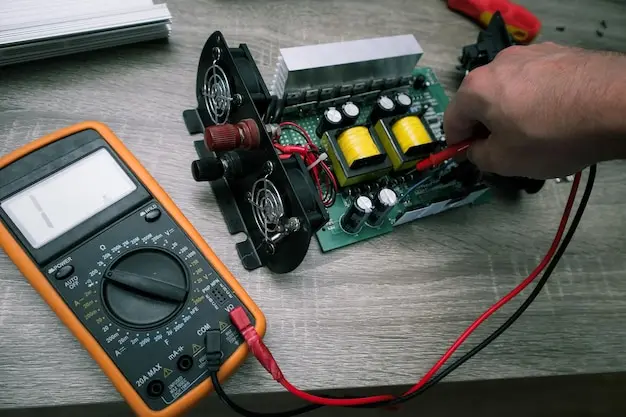
Alongside these, extension leads and power adaptors should also be checked because they are frequently bent, stretched, overloaded or trapped in doors and under furniture.
Chargers, cables and plug-in devices are also commonly included, since laptop chargers, phone chargers, tablet cables and other plug-in accessories are handled every day and can wear out surprisingly quickly, especially at the cable entry points and plugs.
The need for testing becomes even clearer in places where equipment is used by large numbers of people. Equipment used in schools, shops and offices may include tills, barcode scanners, projectors, laminators, display screens, extension blocks, cleaning equipment and portable heaters, all of which may be used daily and handled by different users. In these settings, there is a greater chance of accidental damage, misuse or unnoticed faults.
The same applies in rented settings where supplied appliances are relied on by tenants and may not be checked closely between uses. In general, any plug-in appliance that is portable, frequently used, shared, or exposed to wear is likely to need PAT testing as part of a sensible approach to electrical safety.
Which Appliances May Not Need PAT Testing
Not every electrical appliance needs PAT testing in the same way, and some may not need it at all. Appliances that are permanently wired into the electrical installation rather than plugged in are usually outside the usual scope of PAT testing. This can include hard-wired ovens, built-in hand dryers, fixed lighting and some wall-mounted heaters.
Very low-risk items may not need formal testing as often as others, especially if they are new, well-made, used in a clean environment, and rarely moved. For example, a desktop computer in a tidy office may present much less risk than a drill on a building site. In some cases, getting frequent visual checks and sensible maintenance done may be enough to sustain these appliances throughout long periods.
Battery-only devices that do not connect directly to the mains are also generally outside the normal PAT testing group. A torch running only on replaceable batteries, for example, would not usually be PAT tested. However, once such a device is charged through a mains charger or docking unit, that charger or dock may still need checking.
Appliances may also need a different type of electrical safety check, rather than PAT testing alone. Large fixed machinery, hard-wired systems and part of the building installation are usually dealt with under other inspection rules. The important point is that an appliance should not be excluded simply because it looks safe. The decision should be based on how it is powered, how it is used and what level of risk it presents.
How Often Different Appliances Should Be Tested
There is no single testing interval that suits every appliance. The right schedule depends on the type of equipment, the environment, how often it is used and how likely it is to become damaged. An appliance in daily use on a workshop floor is far more likely to need frequent checks than one sitting undisturbed in a quiet office.
High-risk items usually need the most regular attention. Handheld tools, extension leads used in harsh conditions and appliances used outdoors may need frequent formal testing as well as routine visual inspection. This is because they are more exposed to impact, dirt, moisture and rough handling. A short testing interval is often sensible where the consequences of failure could be serious.
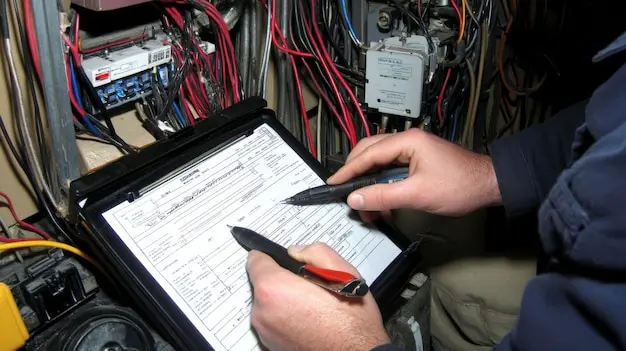
Lower-risk items can often be checked less often, especially where the environment is clean and the equipment is rarely moved. Desk-based IT equipment, for example, may only need occasional formal testing if visual checks are carried out and no damage is seen. The key is to use a risk-based approach rather than testing everything on the same timetable without good reason.
Testing frequency should also be reviewed over time. If a certain type of appliance keeps failing checks, it may need more frequent inspection or replacement. If another group of appliances remains in good condition year after year, the interval may be adjusted. A sensible testing plan is based on evidence, use and risk, not guesswork.
Why Some Appliances Need Testing
Some appliances need testing because they are much more likely to become damaged in normal use. Anything that is moved often, plugged in and unplugged regularly, carried from place to place or used by many different people can wear out faster. Cables bend, plugs loosen, casings crack, and internal parts can fail without obvious warning.
The environment also plays a major part. Appliances used near water, heat, dust, vibration or heavy foot traffic face greater strain than those used in a clean, dry room. A kettle in a shared kitchen, a vacuum cleaner in a hotel, or a power tool on a work site is exposed to conditions that make faults more likely. Testing helps manage those extra risks.
Another reason why testing is necessary is that many electrical faults are not as easy to spot during everyday use. An appliance may still switch on and appear normal even when the insulation is failing, or the earth connection is poor. Visual checks are always great, but they cannot be counted on to reveal all possible hidden problems. Testing can identify issues that are not visible from the outside.
Most of all, testing matters because faulty electrical appliances can cause serious harm. Electric shock, burns, equipment damage and fires can all result from defects that might have been found earlier. PAT testing helps reduce that risk by making sure appliances are checked in a structured and sensible way. It supports a safer environment for staff, tenants, customers, pupils and anyone else using the equipment.
Highland Sparks Ltd provides PAT tests for homes across Inverness, Aviemore, Ross Shire and the Highlands. We can check your wiring, sockets, switches, and the consumer unit to spot safety risks. We also provide clear reports on our findings alongside notes on what to do next. We aim to keep your home safe and compliant with UK safety standards.