

The signs your home might fail an electrical inspection include frequent fuse trips, burning smells, scorch marks, or shocks. Ensure your wiring is safe and compliant with UK standards.
Frequent tripping of fuses or circuit breakers
Fuses or circuit breakers that are constantly tripping are clear signs that something is wrong with your home’s electrical system. This is extremely important because an electrical inspection checks whether or not your wiring and safety devices are working properly.
A circuit breaker, or a fuse in an older consumer unit, is designed to cut off power when it detects a fault. This helps prevent risks like electric shocks, overheating, and fires. If the fuse trips every now and again, there's a chance you've simply plugged in too many high-power items at once, which is easy to fix. Kettles, heaters, tumble dryers, and microwaves can all overload one circuit if they're used at the same time. However, if the fuse trips often, even when you're not using many appliances, it points to a deeper problem.
Damaged wiring, loose connections, faulty sockets, or a broken appliance can all cause the breaker to trip, and over time, cables can wear out, insulation can crack, and moisture can get into the fittings. These issues can create short circuits or earth faults, which will cause protective devices to trip. Another cause of tripping is an outdated consumer unit that doesn't match modern safety expectations. If your home still uses rewirable fuses or lacks modern safety features like residual current device protection, an inspector may flag this as a concern.
Burning smells, scorch marks, or buzzing sounds
Burning smells, scorch marks, or buzzing sounds are strong warning signs that your electrical system may not be safe. Electrical inspection officers look for problems that could lead to electric shocks, overheating, or fires, and visible signs like these often point to issues that need urgent attention.
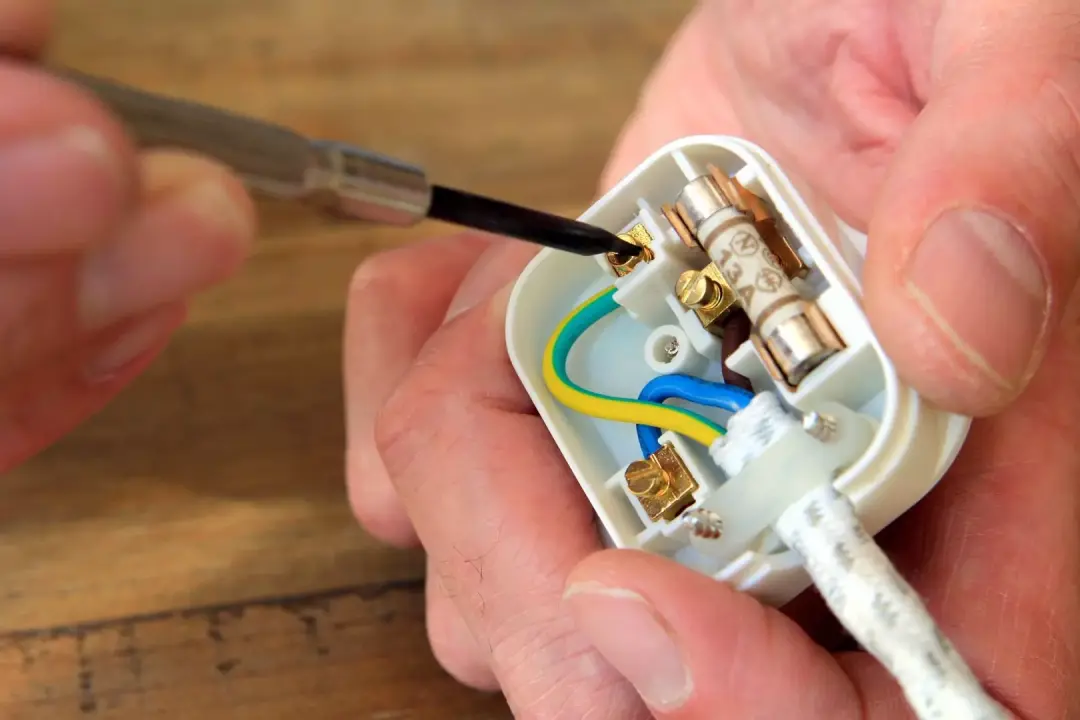
A burning smell, especially near plug sockets, switches, light fittings, or the consumer unit, means that something in the system is overheating.
This can happen when the wires are loose, damaged, or carrying more power than they should, and when a connection isn't tight, the electricity has to jump over a tiny gap, which creates heat. Over time, this heat can melt the plastic around the wires and damage the cable's insulation, which increases the risk of a short circuit or an electrical fire.
Scorch marks around plugs, sockets, switches, or on the ceiling near lights are another serious clue. These marks can be caused by overheating, arcing, or a faulty appliance.
Arcing is when electricity sparks across a gap, and it can burn through surfaces and internal wire parts. Even small marks can mean that the problem has been happening for a while, and during an inspection, these marks may be used as evidence to prove there's unsafe wiring or damaged appliances.
Damp, water leaks, and electrics in risky areas
Damp, water leaks, and electrics in risky areas are serious reasons why a property might fail an electrical inspection. Electricity and water are a dangerous mix, and an inspection is designed to find faults that could lead to electric shocks, fires, or damaged equipment. If moisture gets near wiring or electrical fittings, the risk level rises quickly.
Damp can enter a home through a leaking roof, cracked render, blocked gutters, rising damp, or poor ventilation. Water leaks from pipes, showers, baths, or radiators can also spread into the walls, floors, and ceilings.
When cables, sockets, switches, or junction boxes become damp, the insulation around the wiring can break down and cause issues like short circuits, earth faults, and overheating. In some cases, it can also cause the wire's metal parts to corrode, making the electrical connections weaker and more likely to fail.
Electrical inspectors often pay close attention to bathrooms, kitchens, utility rooms, garages, and outdoor spaces because splashes, steam, and leaks can reach the electrical fittings more easily. In bathrooms, for example, the electrical work must follow strict safety rules about zones near your baths and showers. If a socket, light fitting, extractor fan, or shaver point is placed too close to water, or if it isn't the correct type for the location, it may be marked as unsafe and flagged up during the inspection.
Shock or tingling when touching appliances
Feeling a shock or tingle when you touch an appliance is a serious warning sign that your home could fail its electrical inspection test. Even a small tingle can mean that electricity is escaping where it shouldn't be.
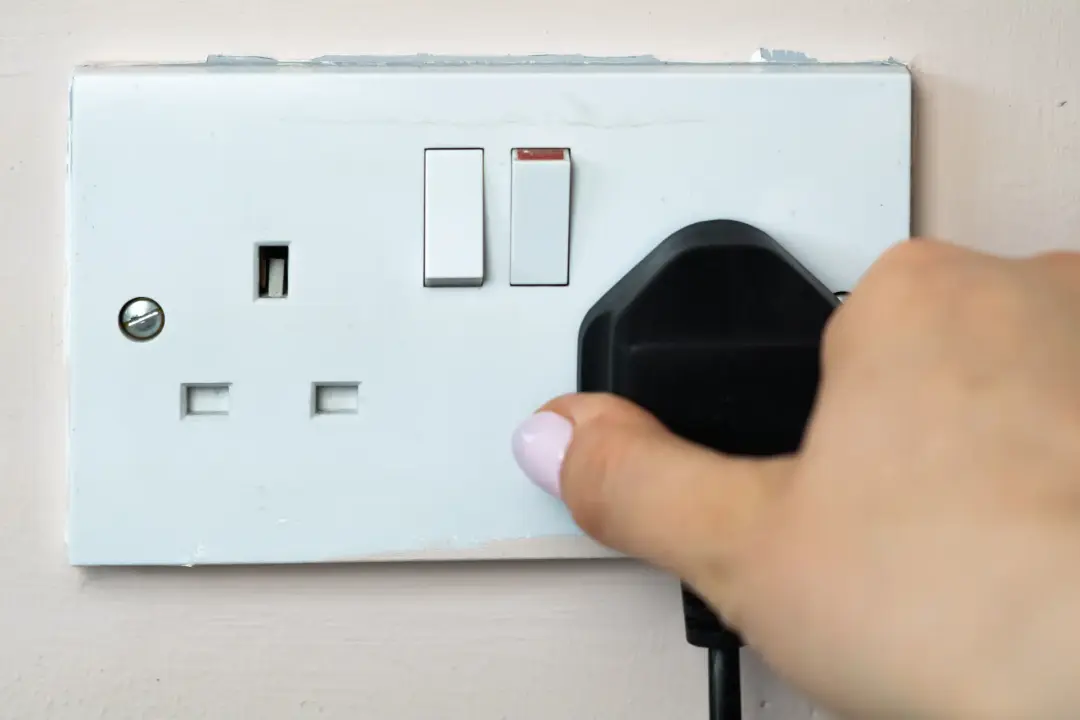
Appliances are designed so that electricity stays inside the wiring and components. If you feel a shock after touching an appliance, it can mean there's a fault inside the appliance, damage to the plug or cable, or there's a problem with the socket it's plugged into. It can also suggest that there's a bigger issue with your home’s electrical system, such as poor earthing or issues with the circuit.
Earthing is important because it gives stray electricity a safe path to the ground, so if the earthing is missing, loose, or poorly connected, the metal parts on an appliance can become live. This can cause tingling, shocks, and, in the worst-case scenario, life-threatening injuries.
Moisture can also make electrical shocks more likely. Damp hands, wet floors, or steam in kitchens and bathrooms all increase the chance of electricity passing through your body. This is one reason why electrical safety rules in the UK are strict regarding areas near water. If an inspector finds any signs that your electrics have been installed or used unsafely in these places, you will fail your inspection.
Highland Sparks Ltd provides electrical inspection tests for homes across Inverness, Aviemore, Ross Shire and the Highlands. We can check your wiring, sockets, switches, and the consumer unit to spot safety risks. We also provide clear reports on our findings alongside notes on what to do next. We aim to keep your home safe and compliant with UK safety standards.